Let's Talk
Work
About
Let´s Talk
KASA
Where Stories Become Strength
#B2C
#HEALTHCARE
#UX · UI
#BRANDING
Our stories
View All
The girl with 9 wigs.

By Sarah
108
How my wigs changed my life.

By RonM
50
Get time for yourself.

By AnnaK
32
Healing through connection.

By Maya
75
Your stories
Find a story about…

How our words affect others
The pleura around my left lung runs in a curve so nice and smooth I could copy it with a compass. The fleece around my right lung, however, is not geometric in the least. It looks like spaghetti with some odd pieces of ravioli. The biggest ravioli is down low, close to my liver. I named the three hanging around the middle of my lung “Huey”, “Dewey”, and “Louie”. There’s a loner up at the top, hidden deep behind my right breast. I christened him “Naughty Norbert”. “Rhabdo” means rod-shaped, “moo” means muscle tissue, and a “sarcoma” is a malignant growth. In a “rhabdomyosarcoma, the tumor cells attach themselves to the body’s soft tissue.
These words became part of my daily vocabulary, medical terms that once seemed foreign now rolled off my tongue with familiar ease.
Learning to speak this language changed how I understood my own body. Each medical term was a key to understanding what was happening inside me, transforming fear into knowledge. The doctors appreciated when I could describe my symptoms using their vocabulary—it made communication clearer, faster, more precise.
But there was another language I had to learn: the language of hope. Not the false optimism that ignores reality, but the genuine hope that acknowledges difficulty while believing in possibility. This was perhaps the hardest language of all, one that required daily practice and constant refinement.
Words matter. They shape how we think about our experiences, how we communicate with others, and how we make sense of the world. In my journey, I learned that choosing the right words—whether medical terminology or words of encouragement—could make the difference between feeling lost and feeling empowered.
Challenge
People facing terminal illnesses often experience isolation and uncertainty when seeking emotional support and reliable information. Most platforms focus either on medical data or general social interaction, leaving little space for meaningful, experience-based connection. Kasa needed to create a safe and empathetic environment for sharing personal stories and finding guidance.
20M+
New cancer cases worldwide every year
60%
Of patients experience emotional distress
85%
Search online for health information and support
< 30%
Receive professional psychological support
*cancer.org • *PubMed • *cancer.gov
Impact
The platform helps users feel less alone and more supported by fostering peer connection and self-expression. Increased engagement with stories and resources shows that users find value in both sharing and learning. Kasa strengthens users’ sense of belonging and emotional well-being.
How my
wigs changed
my life.

By SophieVS
20
Solution
Through user research and product analysis, I redesigned the Earn and Market experiences to improve clarity and usability. New screens introduced clearer explanations of returns, rates, and asset information, making key financial actions easier to understand. The Market was expanded beyond simple listings by adding discovery tools, a live activity feed, and information about market trends and stablecoins, helping users stay informed and explore opportunities more confidently.
🔥 Tendencias
Diarias
Subieron
Bajaron
Más comprados
XRM
-0.01%
185 USD
DAI
-4.00%
0.998 USD
LUNAC
-3.00%
35 USD
DOT
-2.50%
6 USD

Design Thinking
HOW MIGHT WE QUESTIONS (KEY)
The “How Might We” questions helped reframe user challenges into design opportunities, guiding myself toward solutions focused on emotional safety, trust, and accessibility.
How might we help users feel supported and less alone?
How might we deliver helpful resources without overwhelming users?
How might we encourage safe and meaningful story sharing?
MOSCOW MODEL (MAIN FEATURES)
The MoSCoW framework was used to prioritize features based on user needs and project constraints, ensuring that core emotional support and privacy features were delivered first.
PRIORITY
FEATURES
MUST
- Secure login & profiles
- Onboarding
- Story creation & reading
- Personalized home feed
- Resource library
- Privacy controls
- Moderation & reporting
SHOULD
- Comments
- Reactions
- Search & filters
- Bookmarks
- Anonymous posting
- Accessibility settings
NICE
- Direct messaging
- Journaling prompts
- Mood tracking
- Expert sessions
- Smart recommendations
- Audio stories
EMOTIONAL USER JOURNEY
This journey map shows how users move from feeling overwhelmed and vulnerable to gradually feeling supported and empowered through community connection and accessible resources.
Emotional State
Awareness (Cancer)
3
Onboarding
4
Exploring Stories
4
Engaging
5
Sharing
5
Using Resources
7
INFORMATION ARCHITECTURE
The information architecture was designed to keep navigation simple and emotionally safe, prioritizing easy access to community stories and clearly organized resources to reduce cognitive load.
Sign In
Free access
Register
Stories
Search
Story detail
Feed
Share
Learn
Profile
Favs
My Stories
Article
Section List
+ creation guide
Authentication
Stories
Learn
Profile
Story Creation
Branding & Identity
The isologotype is based on the concept of an origami crab, symbolizing cancer, resilience, and transformation. Inspired by the art of folding, the form represents how personal experiences are shaped and shared over time. The crab becomes a metaphor for protection and strength, while the origami style reflects care, empathy, and the act of sharing love through personal stories.

#51BCC1
#3AE1E9
Green
Marine Green
#FF0707
Red
Blue
#FFD2D5
Pink
#009FFF
#5087FD
Dark Blue
#F0E258
Yellow
Red
#FF0707
Pink
#FFD2D5
Dark Blue
#5087FD
Blue
#009FFF
Green
#51BCC1
Marine Green
#3AE1E9
Yellow
#F0E258
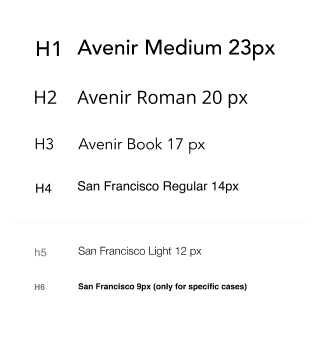
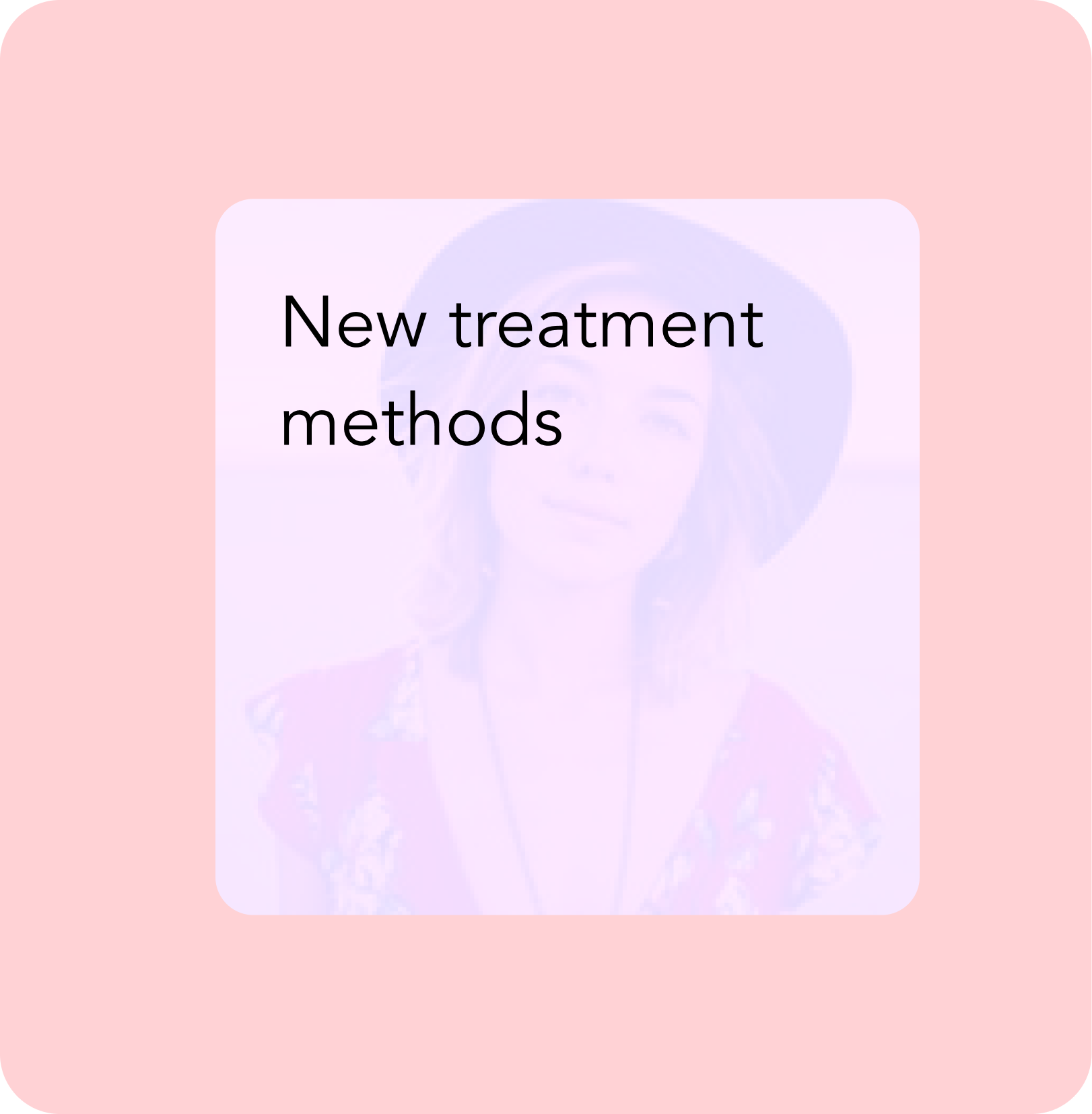
Visual decisions focuses on creating a calm and emotionally safe environment through the use of soft illustrations, pastel color palettes, and gentle imagery. Light-weight Avenir typography was selected to enhance readability and maintain a clean, approachable interface. Vector-based and flat illustrations were integrated throughout the experience to reinforce visual consistency and provide users with a sense of comfort and clarity.

New treatment
methods
H1
Avenir Medium 23px
H2
Avenir Roman 20 px
H3
Avenir Book 17 px
H4
San Francisco Regular 14px
h5
San Francisco Light 12 px
H6
San Francisco 9px (only for specific cases)
UX · UI
FEED
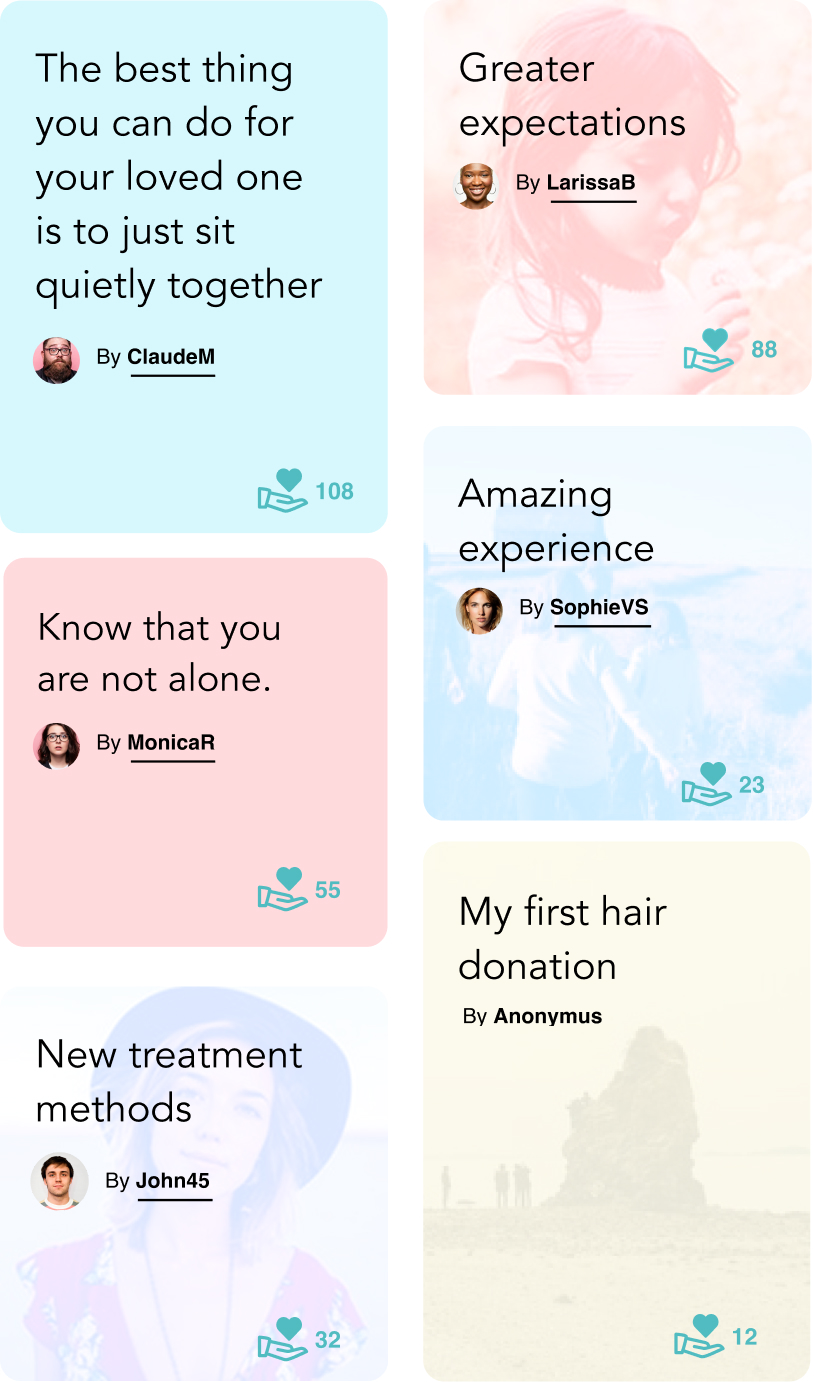
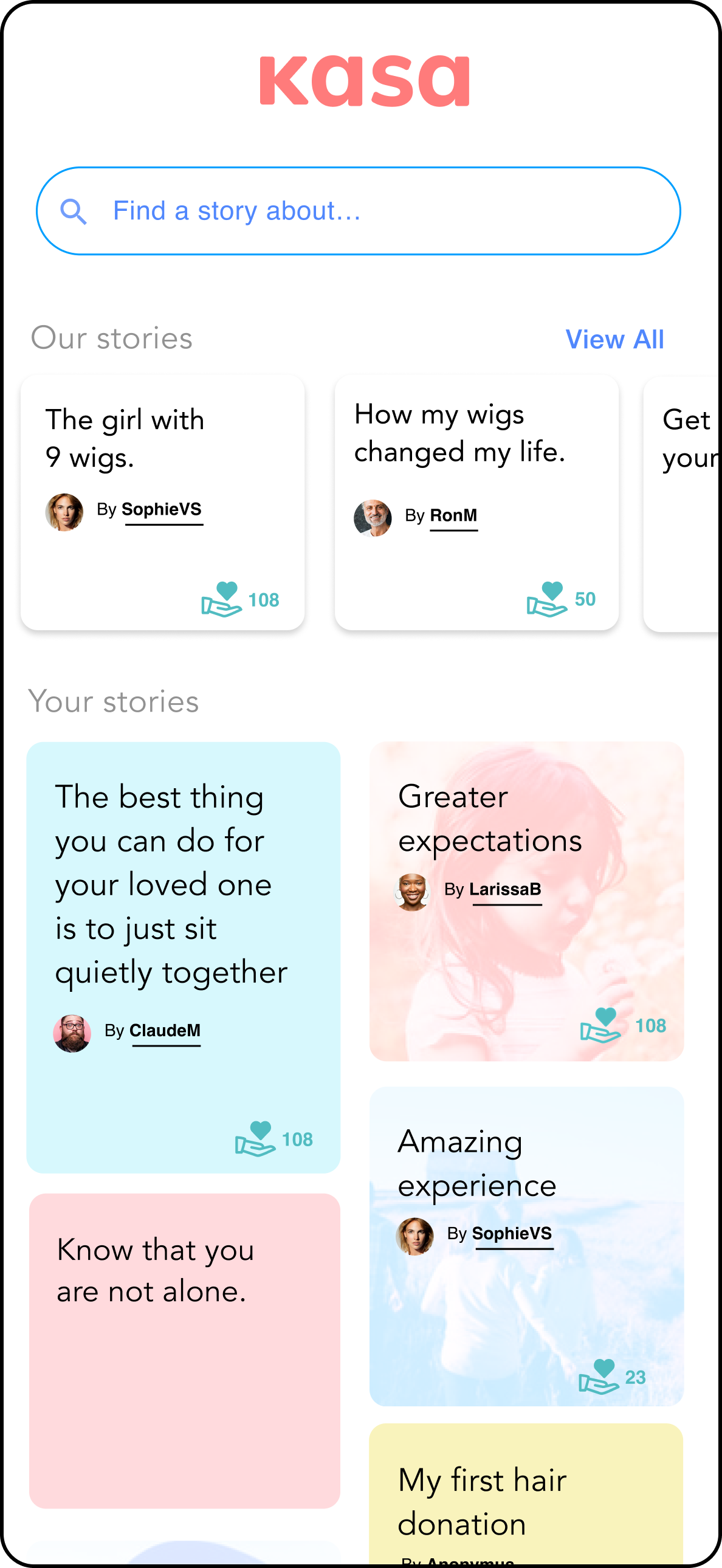
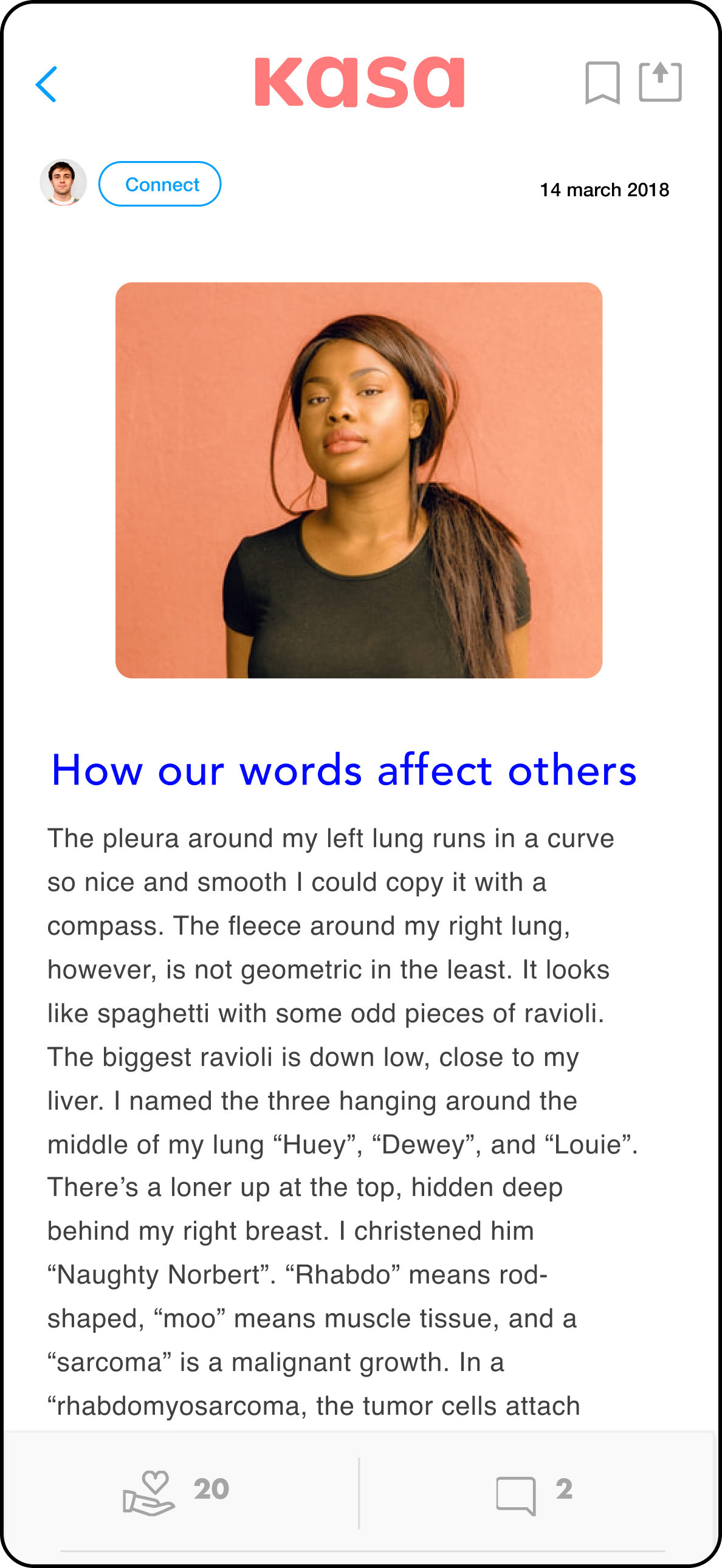
The Home feed was designed as the heart of the community, showcasing personal stories in a calm and readable layout. Content is organized to encourage empathy, discovery, and meaningful connection without overwhelming users as well as easy access to user stories.
Our stories
View All
The girl with 9 wigs.
By Sarah
108
How my wigs changed my life.
By RonM
50
Get time for yourself.
By AnnaK
32
Healing through connection.
By Maya
75
Your stories
Find a story about…
How our words affect others
The pleura around my left lung runs in a curve so nice and smooth I could copy it with a compass. The fleece around my right lung, however, is not geometric in the least. It looks like spaghetti with some odd pieces of ravioli. The biggest ravioli is down low, close to my liver. I named the three hanging around the middle of my lung “Huey”, “Dewey”, and “Louie”. There’s a loner up at the top, hidden deep behind my right breast. I christened him “Naughty Norbert”. “Rhabdo” means rod-shaped, “moo” means muscle tissue, and a “sarcoma” is a malignant growth. In a “rhabdomyosarcoma, the tumor cells attach themselves to the body’s soft tissue.
These words became part of my daily vocabulary, medical terms that once seemed foreign now rolled off my tongue with familiar ease.
Learning to speak this language changed how I understood my own body. Each medical term was a key to understanding what was happening inside me, transforming fear into knowledge. The doctors appreciated when I could describe my symptoms using their vocabulary—it made communication clearer, faster, more precise.
But there was another language I had to learn: the language of hope. Not the false optimism that ignores reality, but the genuine hope that acknowledges difficulty while believing in possibility. This was perhaps the hardest language of all, one that required daily practice and constant refinement.
Words matter. They shape how we think about our experiences, how we communicate with others, and how we make sense of the world. In my journey, I learned that choosing the right words—whether medical terminology or words of encouragement—could make the difference between feeling lost and feeling empowered.
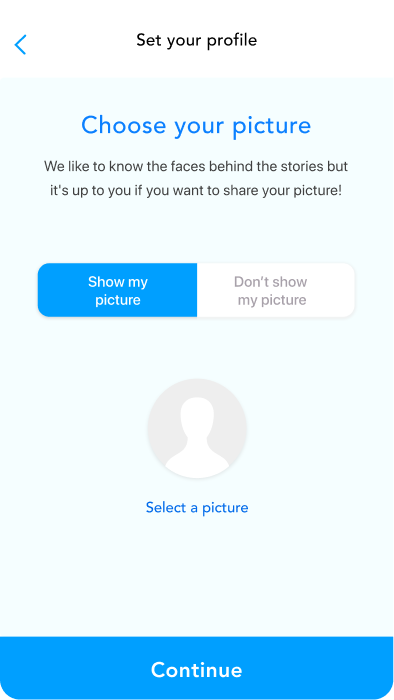
ONBOARDING
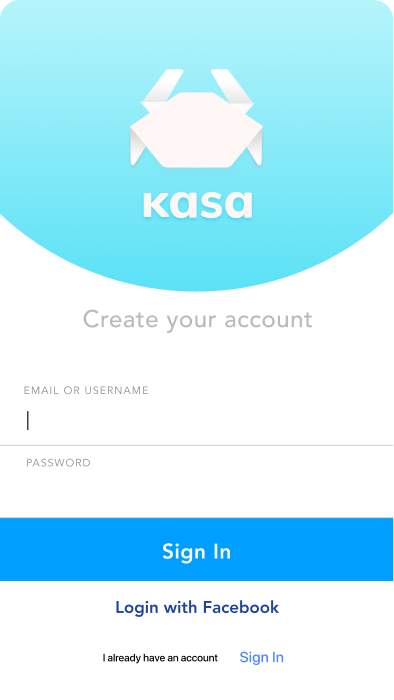
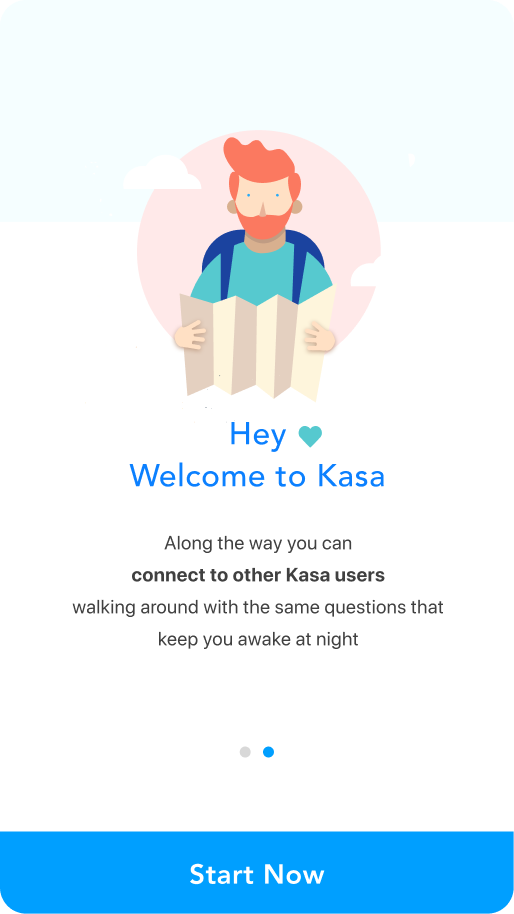
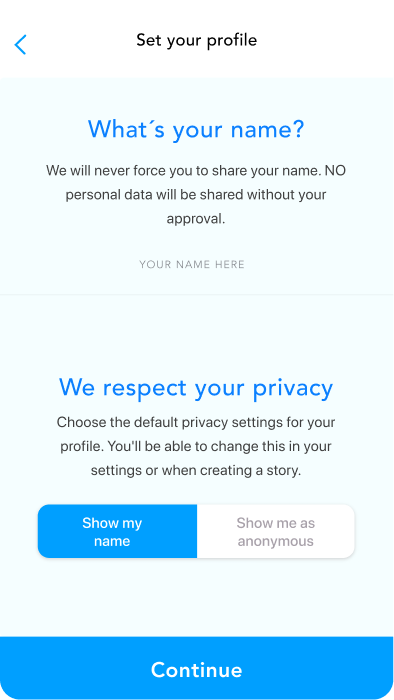
The onboarding was kept minimal and emotionally considerate, collecting only essential information such as name, privacy settings, and profile picture. Soft, supportive illustrations were used to create a welcoming atmosphere and help users feel more comfortable and at ease from the start.
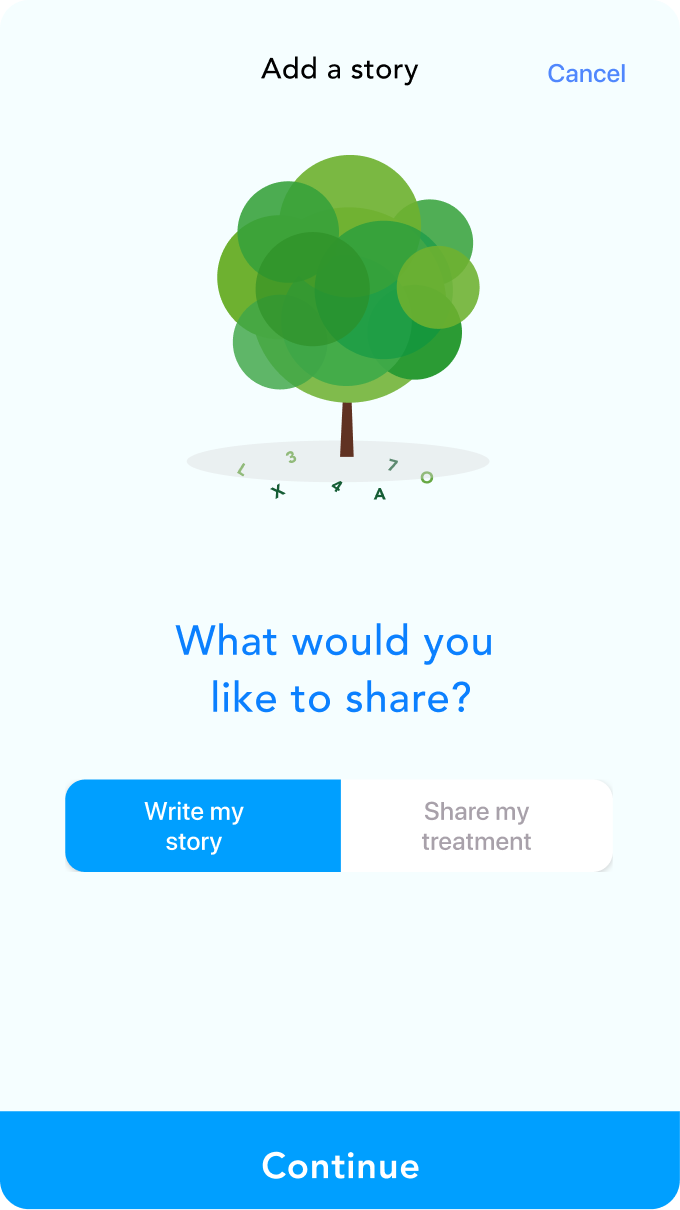
STORY CREATION
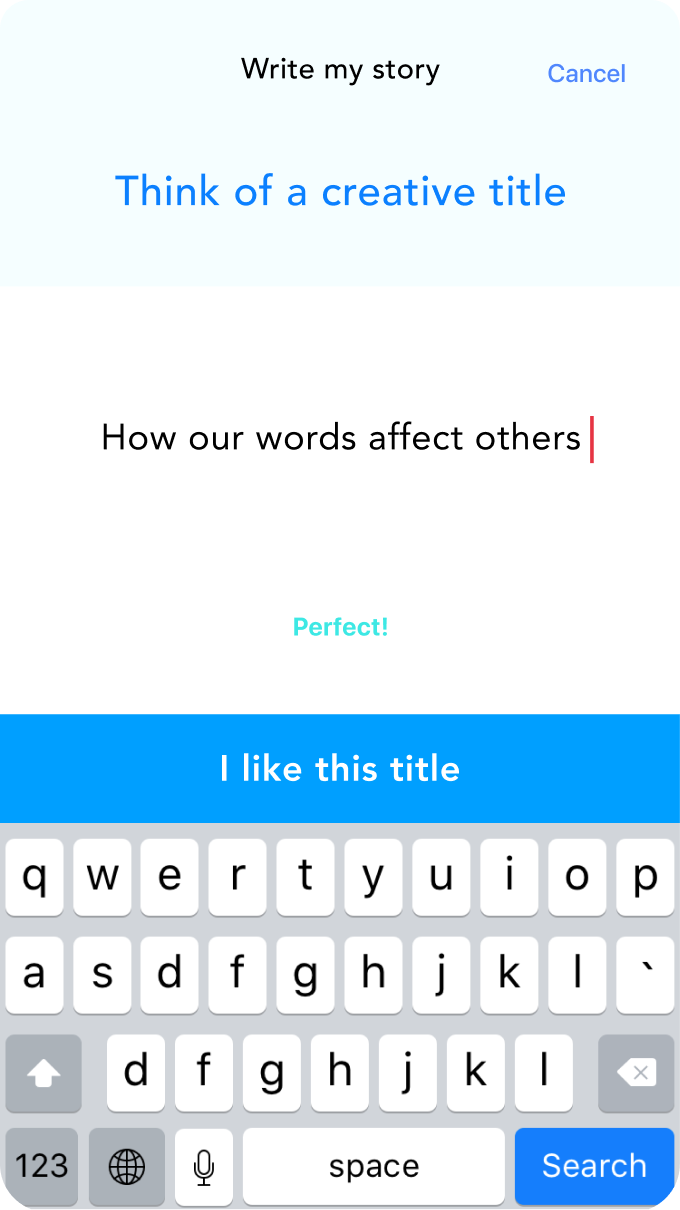
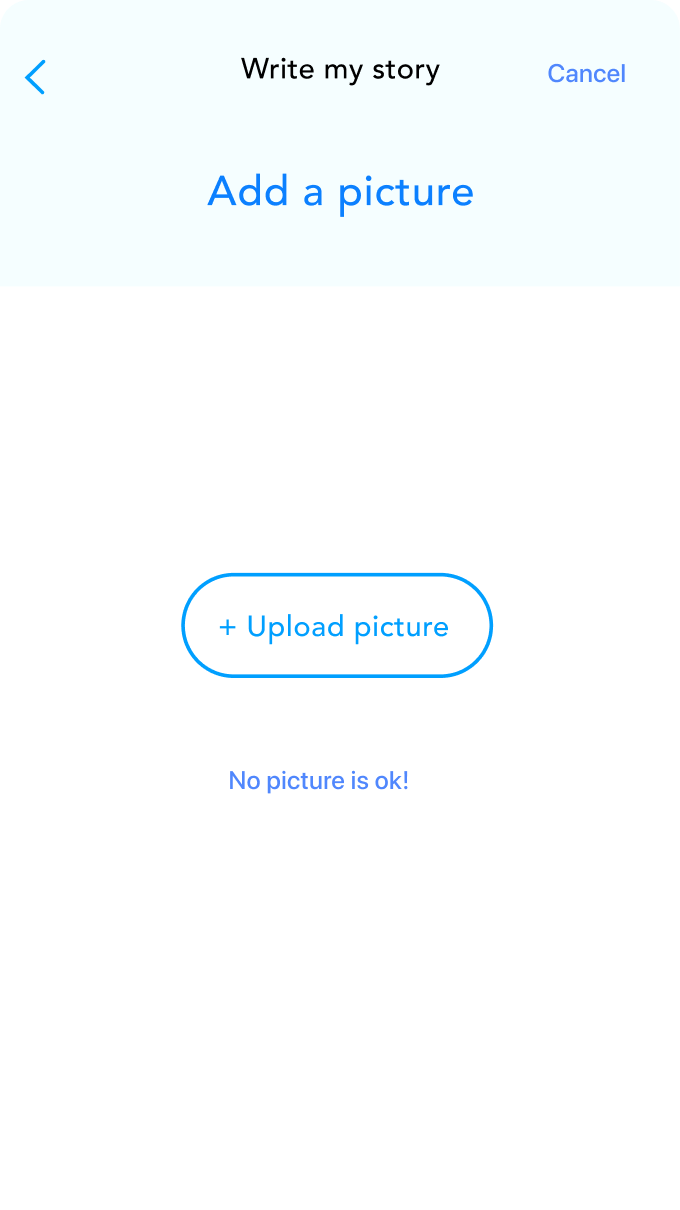
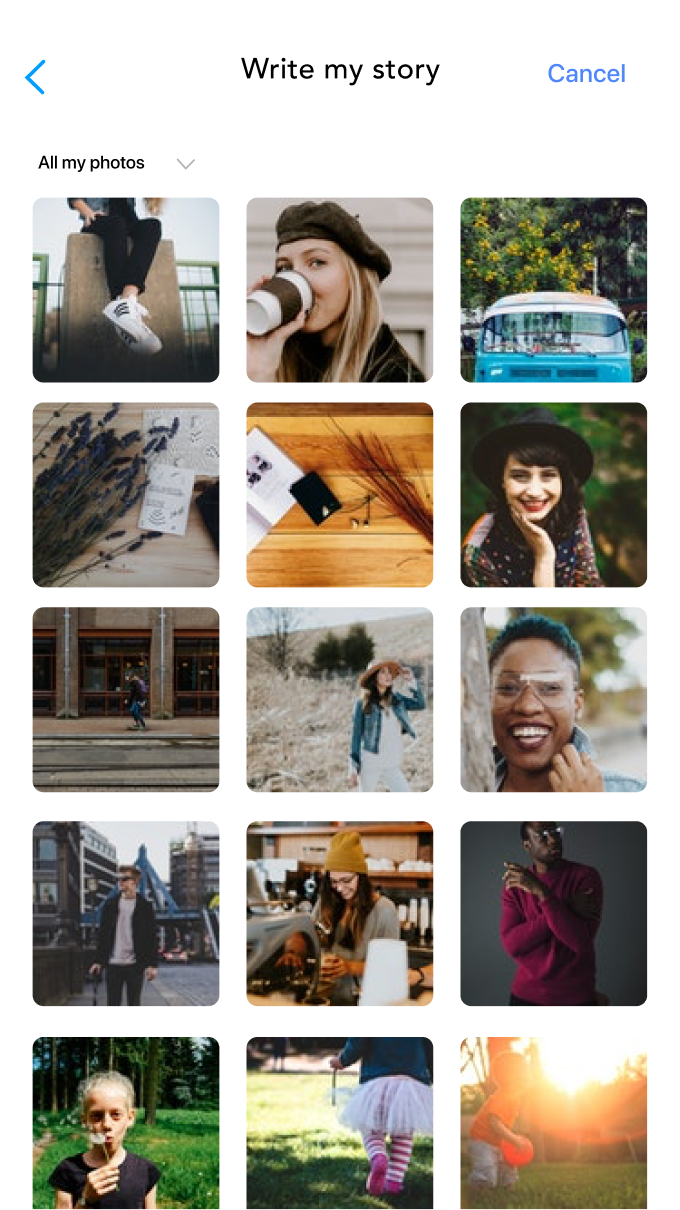
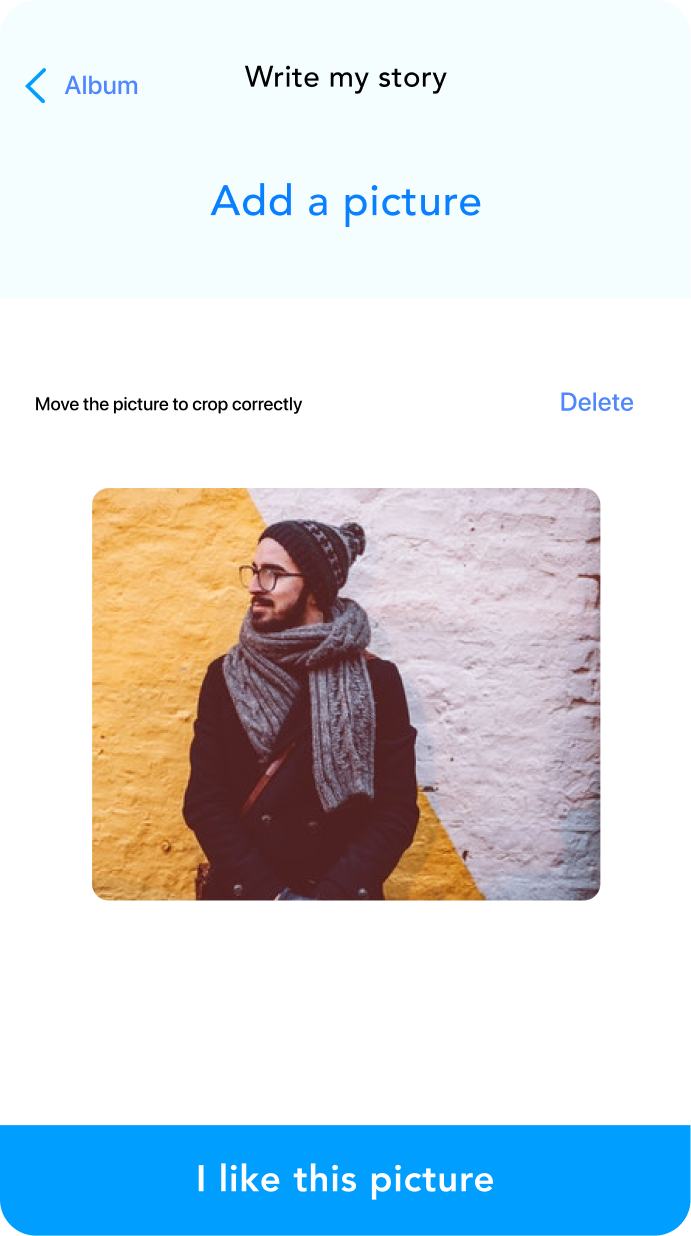
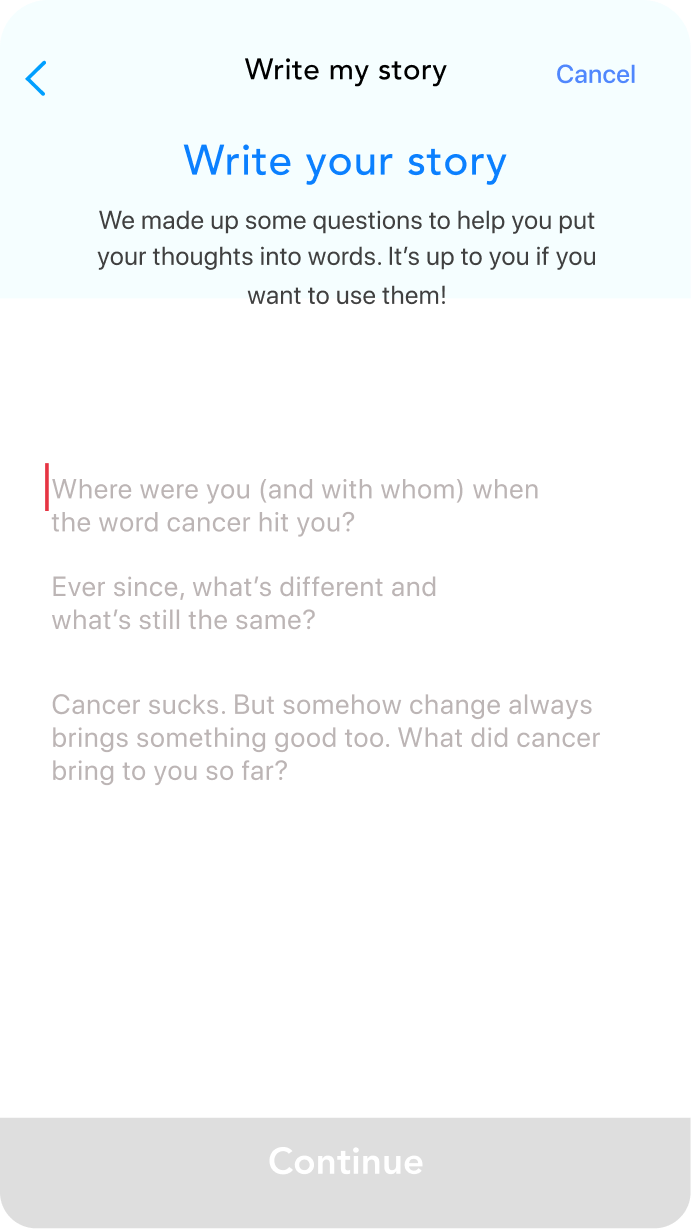
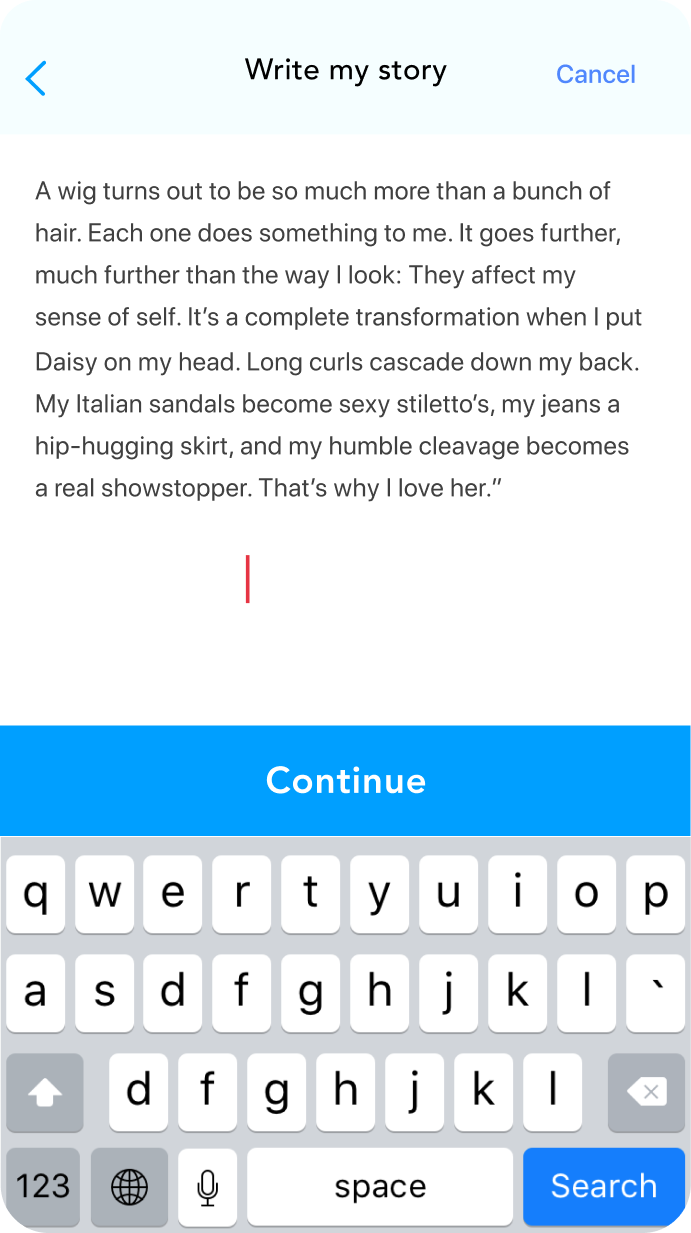
The story creation flow was designed to make sharing personal experiences feel safe and manageable. Users are guided through a simple, distraction-free interface with supportive prompts and flexible editing tools, allowing them to express themselves at their own pace while maintaining full control over privacy and visibility.
Think of a creative title
|
|
Think of a creative title
Continue
Add a story
Cancel
What would you
like to share?
O
A
L
X
3
7
4
Write my
story
Share my
treatment
Think of a creative title
How our words affects others
Perfect!
I like this title
Cancel
Write my story
Add a picture
Cancel
Continue
+ Upload picture
No picture is ok!
Write my story
Continue













All my photos
Cancel
Write my story
Add a picture
Delete
Album
Move the picture to crop correctly
I like this picture

Write my story
We made up some questions to help you put your thoughts into words. It’s up to you if you want to use them!
Continue
Where were you (and with whom) when
the word cancer hit you?
Ever since, what’s different and
what’s still the same?
Cancer sucks. But somehow change always brings something good too. What did cancer bring to you so far?
Cancel
Write your story
Continue
Write my story
Continue
A wig turns out to be so much more than a bunch of hair. Each one does something to me. It goes further, much further than the way I look: They affect my sense of self. It’s a complete transformation when I put Daisy on my head. Long curls cascade down my back. My Italian sandals become sexy stiletto’s, my jeans a hip-hugging skirt, and my humble cleavage becomes a real showstopper. That’s why I love her.”
Continue
Cancel
Write my story
Continue
How our words affect others
TITLE
PHOTO
TEXT
Publish my story
Edit
Edit
Edit
Show me as an anonymous writer
Allow users to connect with me
through my email
Cancel
Write my story
LIBRARY AND RESOURCES
The library provides structured, easy-to-navigate resources that help users understand and manage emotional and practical challenges. Information is presented in clear categories to support learning at the user's own pace.
Antioxidants are particularly important in the context of organic chemistry and biology: all living cells contain complex systems of antioxidant chemicals and/or enzymes to prevent chemical damage to the cells’ components by oxidation. The importance and complexity of antioxidants in biology is reflected in a medical literature of more than 142,000 scholarly articles.
A diet containing antioxidants from plants are required for good health since plants are an important source of organic antioxidant chemicals. Antioxidants are widely used as ingredients in dietary supplements that are used for health purposes such as preventing cancer and heart disease. However, while many studies have suggested benefits for antioxidant supplements, several large clinical trials have failed to clearly demonstrate a benefit for the formulations tested, and excess supplementation may be harmful.
Antioxidants are chemicals that reduce oxidative damage to cells and biochemicals. Researchers have found high correlation between oxidative damage and the occurrence of disease. For example, LDL oxidation is associated with cardiovascular disease. The process leading to atherogenesis, artherosclerosis, and cardiovascular disease is complex, involving multiple chemical pathways and networks, but the precursor is LDL oxidation by free radicals, resulting in inflammation and formation of plaques.
Research suggests that consumption of antioxidant-rich foods reduces damage to cells and biochemicals from free radicals. This may slow down, prevent, or even reverse certain diseases that result from cellular damage, and perhaps even slow down the natural aging process.
Since the discovery of vitamins, it has been recognized that antioxidants in the diet are essential for healthful lives. More recently, a large body of evidence has accumulated that suggests supplementation of the diet with various kinds of antioxidants can improve health and extend life.
Many nutraceutical and health food companies now sell forms of antioxidants as dietary supplement. These supplements may include specific antioxidant chemicals, like resveratrol (from grape seeds), combinations of antioxidants, like the “ACES” products that contain beta carotene (provitamin A), vitamin C, vitamin E and Selenium, or specialty herbs that are known to contain antioxidants such as green tea and jiaogulan.
Disclaimer
The information presented here should not be interpreted as medical advice. If you need more information about Antioxidants, please consult your physician or a qualified specialist.
Permission is granted to reprint this article as long as no changes are made, and the entire resource box is included.
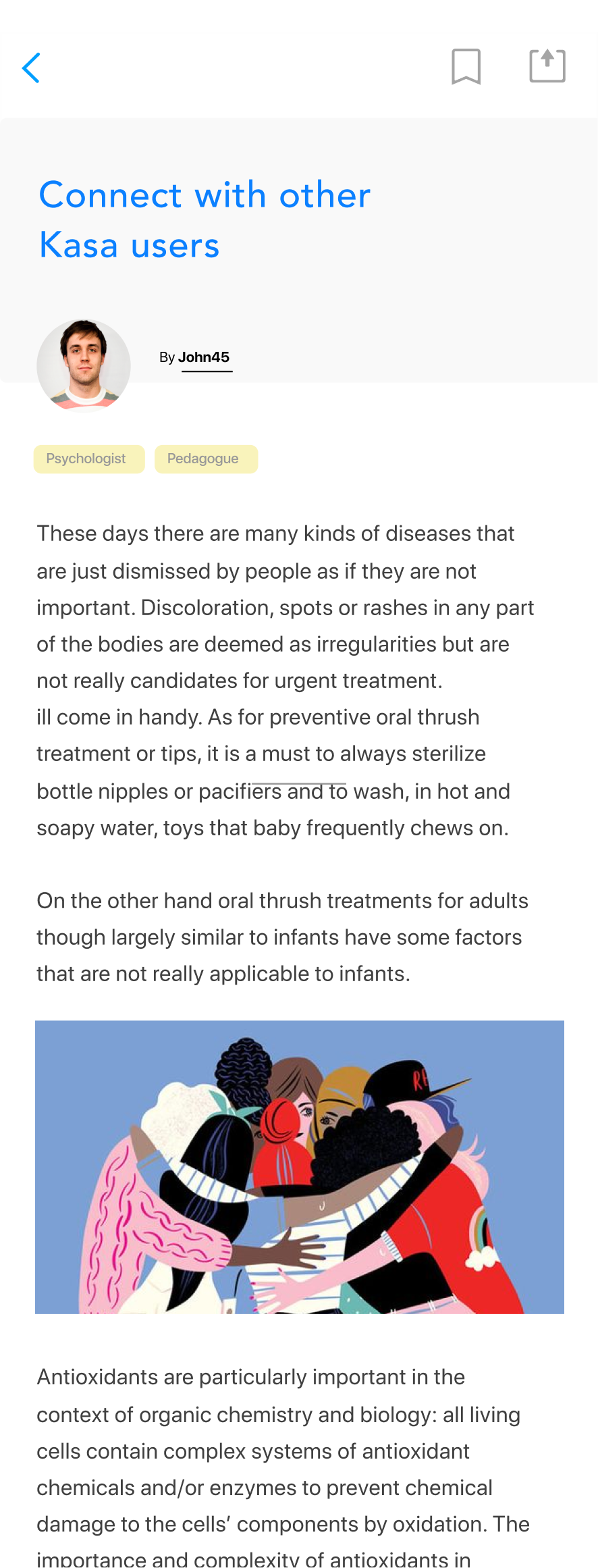
Get to know people that get you!
By John45
Connect with other
Kasa users


Psychologist
Pedagogue
These days there are many kinds of diseases that are just dismissed by people as if they are not important. Discoloration, spots or rashes in any part of the bodies are deemed as irregularities but are not really candidates for urgent treatment.
ill come in handy. As for preventive oral thrush treatment or tips, it is a must to always sterilize bottle nipples or pacifiers and to wash, in hot and soapy water, toys that baby frequently chews on.
On the other hand oral thrush treatments for adults though largely similar to infants have some factors that are not really applicable to infants.
Read about
What is Cancer?
Common
treatments
On food
Uncommon
treatments
On excercise
Socializing
with cancer
Myths or not?
Kasa's mission
Wigs etc
Read about
What is Cancer?
Common
treatments
On food
Uncommon
treatments
On excercise
Socializing
with cancer
Myths or not?
Kasa's mission
Wigs etc
PROFILE
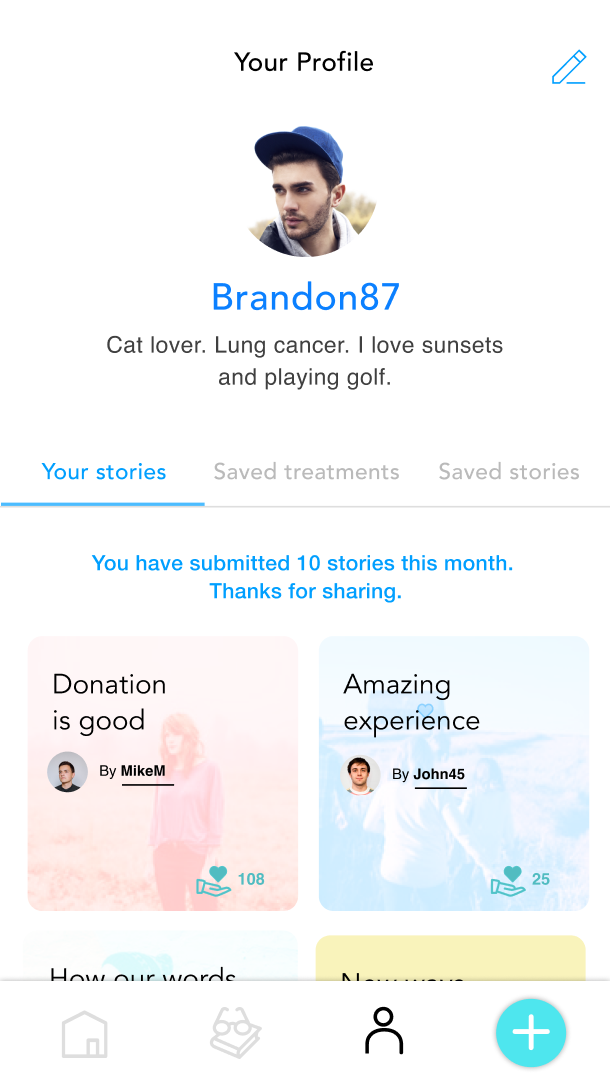
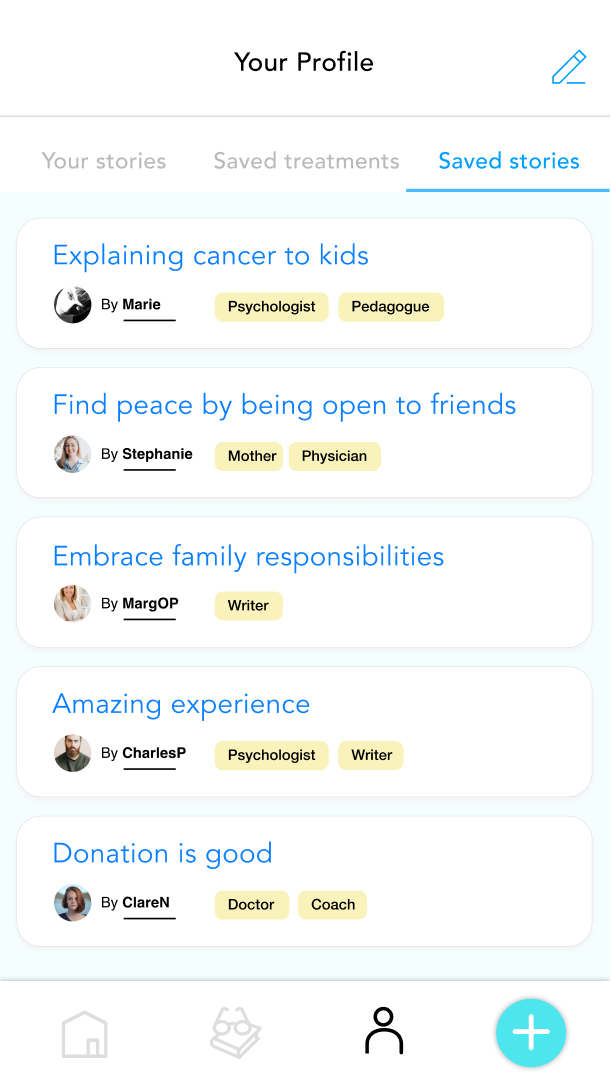
The profile space allows users to manage their identity, privacy settings, and shared content in a simple and secure way. It reinforces user control and trust while supporting personal growth and self-expression.

@2026 All rights, lefts and wrongs reserved